Summer Camp for Young Scientists/Veterinarians – 2026
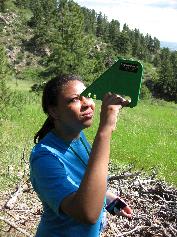
Want to immerse yourself in the world of science and veterinary medicine? Join the Natural Sciences Education & Outreach Center in exploring scientific and veterinary practices first-hand. We will be carrying out investigations, using real tools, and collecting data both in the lab and the field as well as taking a real and sometimes gritty look at the field of veterinary medicine. View the 2026 Tentative SciVet Schedule.
Through presentations, demonstrations, laboratory visits, and hands-on activities, students will dive into the following topics (this is just a tentative list of possible activities – final schedule will be set in early June):
- Scientific Illustrating
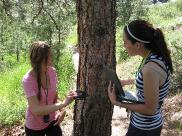
- Dendrochronology
- Wildlife Research
- Equine Assisted Therapy
- Integrative Veterinary Medicine
- Native Bees
- Preparation for College & Vet School
- Veterinary Medicine and Business
- Wolves
- Water Quality
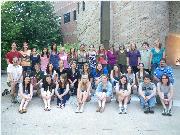
Students (cap of 21 for 2026) will receive personal mentoring from first-class teachers, staff and expert quest presenters. Please note that some outdoor field work will include a moderate amount of hiking. This summer program has been going strong since 1999. Take a look at our YouTube video and our photo album.
“This was one of the best camps I’ve ever been to, and I would definitely encourage anyone pursuing science or veterinary medicine to consider this camp. I learned so much, met so many new people, and had so much fun.” ~ 2025 SciVet Participant
June 22 – 26, 2026 | 8:30 am – 4:30 pm | $1,800 Residential | $1,200 Commuter
The SciVet program is open to high school students who are at least 15 years old by June 1st. (*scholarships available)
Safety Protocols:
Participants should plan on bringing a water bottle, backpack, close toed shoes, long pants, sunscreen, bug spray, hat, and allergy medication (if needed) for outdoor field work.
Students staying in the dorms will not be assigned roommates but will share a bathroom with another student (of the same gender).
Application Process:
Check out the Application Instructions for 2026. Click here to be added to the contact list for 2027.
PROGRAMA DE VERANO PARA JÓVENES CIENTÍFICOS/ VETERINARIOS – 2026
¿Quieres sumergirte en el mundo de la ciencia y la medicina veterinaria? Únete al Natural Sciences Education & Outreach Center (NSEOC) en la exploración de prácticas científicas y veterinarias de primera mano. Llevaremos a cabo investigaciones, usaremos herramientas reales y recopilaremos datos tanto en el laboratorio como en el campo. Además, le daremos una mirada real y cercana al campo de la medicina veterinaria. Ver el 2026 Horario Tentativo de SciVet.
A través de presentaciones, demostraciones, visitas a laboratorios y actividades prácticas, los estudiantes se sumergirán en los siguientes temas (esta es una lista tentativa de las posibles actividades – el horario final se definirá a principios de junio):
- Ilustración científica
- Dendrocronología
- Investigación de Vida Silvestre
- Terapia Asistida por Equinos
- Medicina Veterinaria Integrativa
- Abejas Nativas
- Preparación para la Universidad y la Escuela Veterinaria
- La Medicina y Negocio Veterinario
- Lobos
- Calidad del Agua
Los estudiantes (límite de 21 participantes para el 2026) recibirán mentoría personal de primera clase por parte de maestros, personal y expertos presentadores. Tenga en cuenta que algunos trabajos de campo al aire libre incluirán una cantidad moderada de caminatas. Estos programas de verano se han estado desarrollando fuertemente desde 1999. Mire nuestro video en YouTube y nuestro álbum de fotos.
“Este fue uno de los mejores campamentos a los que he ido, y definitivamente animaría a cualquiera que esté interesado en la ciencia o la medicina veterinaria a considerar este campamento. Aprendí mucho, conocí a muchas personas nuevas y me divertí mucho.” ~2025 SciVet Participant
Junio 22 – 26, 2026 | 8:30 am – 4:30 pm | $1,800 Residencial | $1,200 Viajeros
El programa SciVet está abierto a estudiantes de secundaria que tengan al menos 15 años para el 1 de junio. (*becas disponibles)
Protocolos de seguridad:
Los participantes deben planear traer una botella de agua, una mochila, zapatos cerrados, pantalones largos, protector solar, repelente de insectos, sombrero y medicamentos para la alergia (si es necesario) para el trabajo de campo al aire libre.
Los estudiantes que se queden en los dormitorios no tendrán compañeros de cuarto, pero compartirán un baño con otro estudiante (del mismo género).
Proceso de Aplicación:
Echa un vistazo a las Instrucciones de Solicitud para 2026. Pulse aquí para ser agregado a la lista de contactos para el 2027.